CASE STUDY UOC
EMA APP
CONVERSATIONAL APP
YEAR: 2022
Introduction
Social isolation is a pressing issue for the elderly, exacerbated by factors like living alone and the pandemic. Studies indicate that loneliness elevates risks of serious conditions such as heart disease and dementia. Addressing these concerns, our study focuses on developing a companion app designed to bridge the social gap while promoting mental and physical health. With innovative AI features, this app aims to create meaningful engagements and improve users’ quality of life.

Ema App
a Companion App for the Elderly
Growing Importance
Social isolation among seniors has increased by 60%, with significant risks to health and wellbeing.
Tech as a solution
AI-based apps have shown potencial to reduce loneliness and promote mental and physical health.
Purpose of the App
Creating a digital companion to foster independence and social connections
Challenges faced by the Elderly
Social Isolation
Nearly 44% of women aged 75+ live alone, with risk of dementia rising by 50%.
Health Complications
Chronic conditions and medication management remain key challenges.
Tech Accessibility Gap
Limites familiarity with modern technology hinders adoption.
Problem Statement
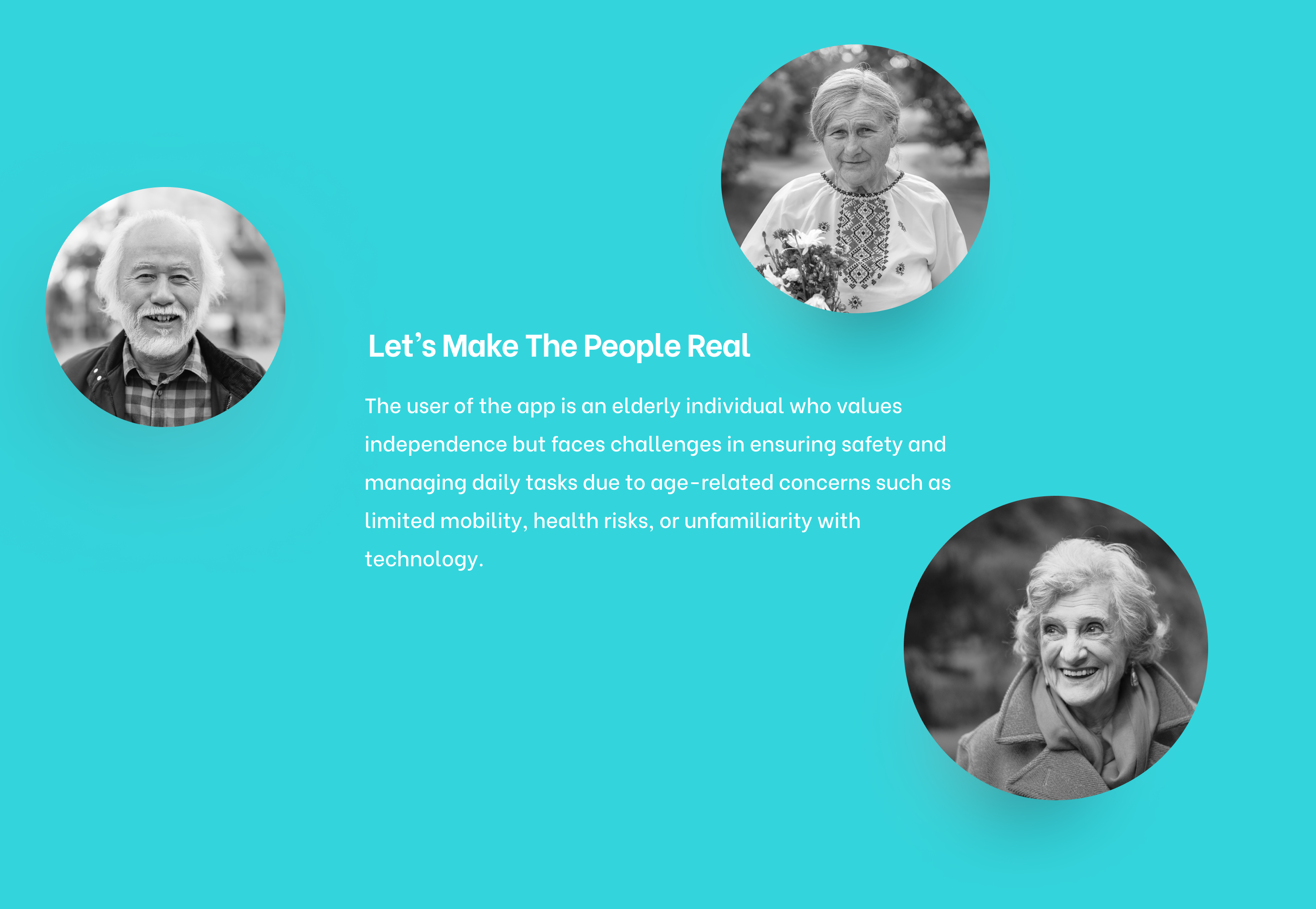
Understanding the problem landscape is critical for designing impactful solutions. Social isolation has become a severe issue, especially for seniors living alone. With elevated risks for dementia and other health issues, addressing these challenges requires a holistic approach. Moreover, barriers like low digital literacy amplify these problems, emphasizing the need for intuitive and accessible tech solutions.
Solution Overview
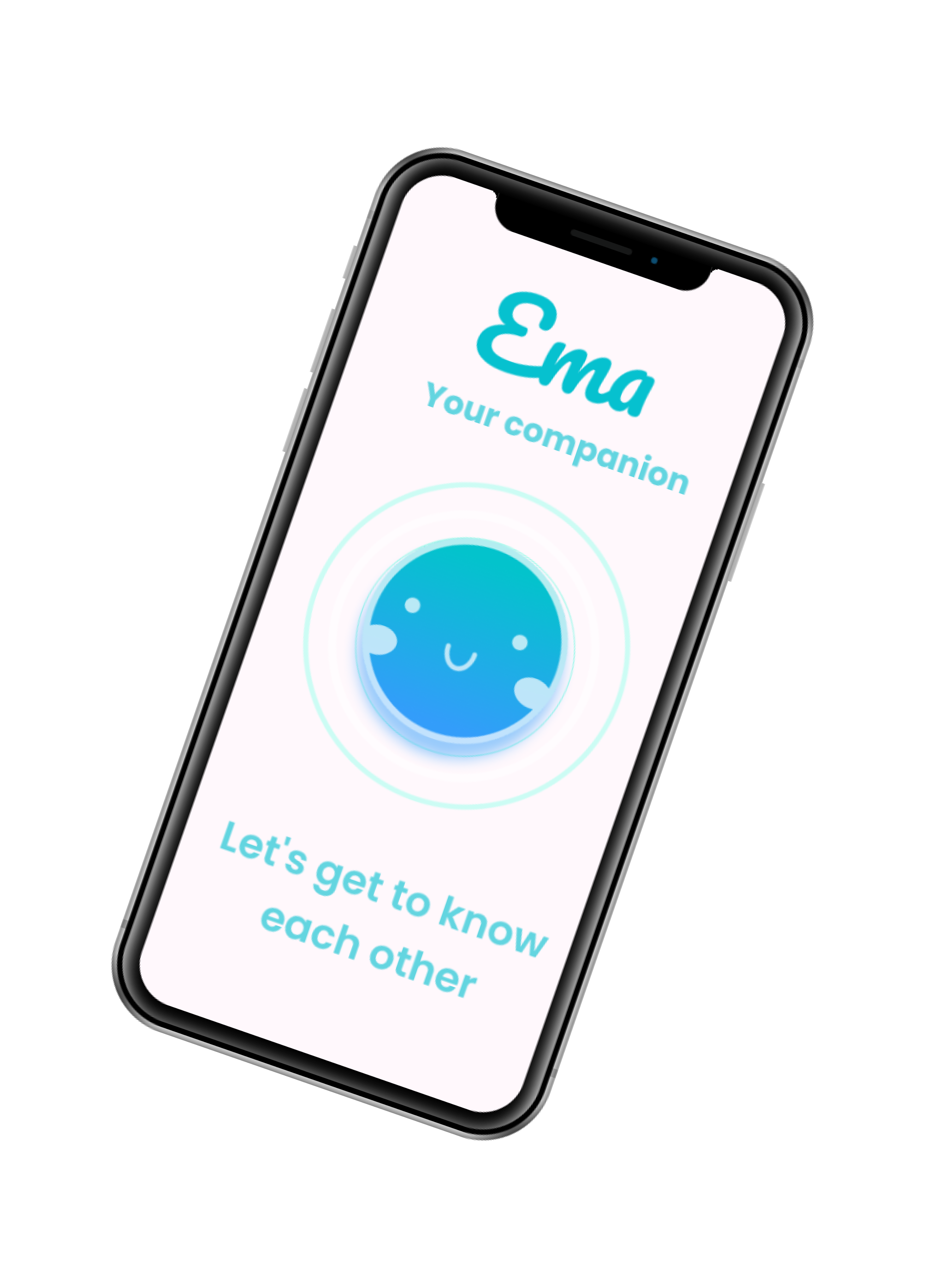
The companion app focuses on three pillars of functionality: health, engagement, and interaction. First, it ensures users can monitor their health effortlessly through integrated tracking of vital metrics and reminders for medication. Second, it fosters social engagement through games and virtual meetups, reducing feelings of isolation. Finally, AI-powered interactions provide proactive companionship, offering suggestions and helping with daily activities in a user-friendly manner.
Companion App Features
Health Monitoring
Tracks vitals, medication schedules, and activity levels.
Social Engagement
Facilitates virtual meetups, games , and conversations.
AI Interaction
Proactive reminders recommendations, and companionship.
Designning a senior friendly app
User Cenric Design
Engaged senior user to co-design intuitive interfaces.
Agile Development
Iterative development with regular testing and feedbacks loops.
Accessibility Focus
Prioritized features like large fonts, voice commands, and minimalistic design, avoiding overloading of information.
Implementation Process
Developing a companion app for seniors demands a user-first approach. Our team worked directly with elderly participants to co-design the app, ensuring ease of use. The development process followed agile methodologies, allowing for iterative improvements based on continuous feedback. Accessibility remained a top priority, incorporating features such as voice commands, large font sizes, and intuitive navigation to cater to seniors’ specific needs.
Impact Assessment
Evaluating the app’s success involved both qualitative and quantitative measures. Results showed a significant reduction in feelings of loneliness among participants, reinforcing the app’s social connectivity features. Health metrics also improved, with better medication adherence and more active lifestyles among users. Most importantly, user feedback highlighted high levels of satisfaction, confirming the app’s usability and positive impact on overall wellbeing.
Measuring success and benefits
- Reduce Isolation
- Improved Health Metrics
- Satisfaction Rates
Sumary of findings
Significant Impact
Companion apps can drastically improve quality of life for the elderly.
Scalable Solutions
Potential for wider adoption in elderly care globally.
Future Enhancements
Incorporate more personalized AI and integrations with healthcare systems.
Conclusion and Next Steps
The study highlights the transformative potential of companion apps in addressing isolation and improving the health of seniors. This case demonstrated significant improvements in user satisfaction and quality of life, with scalable applications for broader populations. Looking ahead, enhancing the app with personalized AI and seamless healthcare integration could further optimize its effectiveness, paving the way for a new era in eldercare.