Editorial Design: Designing a book
Research and Conceptualization:
Before starting the design process, it is crucial to understand the book’s content, target audience, genre, and market trends. To do this, research similar books in the same genre to get an idea of what works well. Brainstorm ideas and concepts for the cover that will effectively represent the book’s theme, and appeal to the intended audience.
Design Creation:
Once I have a clear concept in mind, start creating the design using graphic design software such as Adobe Photoshop, Illustrator, and InDesign. Use typography, imagery, color schemes, and layout to create a visually appealing cover that communicates the essence of the book.
Typography:
Choose appropriate fonts for the title, subtitle, author name, and other text elements on the cover. Ensure that the fonts are legible, reflect the book’s genre and tone, and stand out against the background.
Imagery and Graphics:
Pick images and graphics that complement the book’s themes and resonate with the target audience. Ensure that the images are high-resolution and suitable for print.
Layout and Composition:
Arrange the cover elements in a balanced and visually pleasing layout. Pay attention to spacing, alignment, and visual hierarchy to guide the viewer’s eye through the cover.
Feedback and Revision:
Share the initial design with the author, publisher, or other stakeholders for feedback. Incorporate any suggested revisions to refine the design further.
.
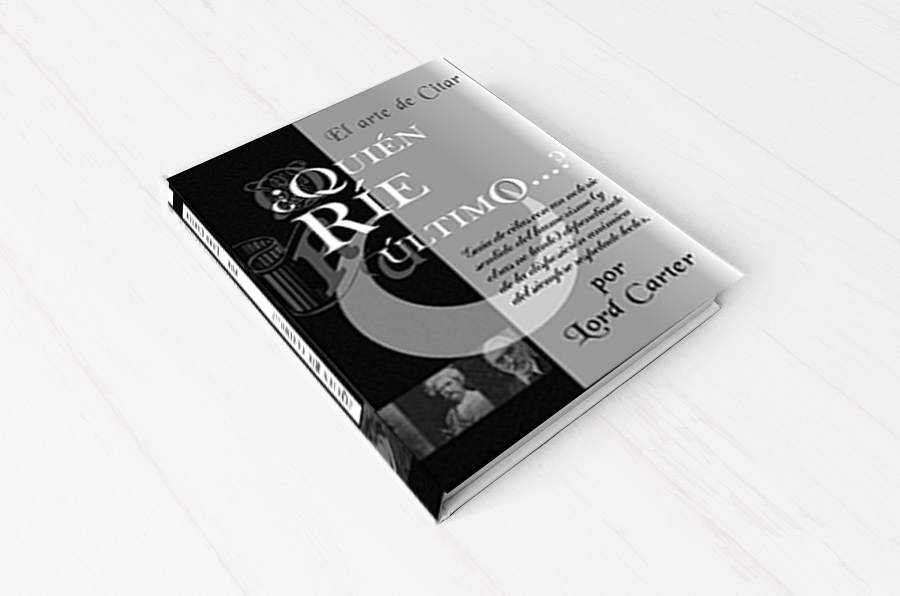
I have been working with editorial design for many years, with writers and NGOs, and I have always been involved in the production and the final arts for print.
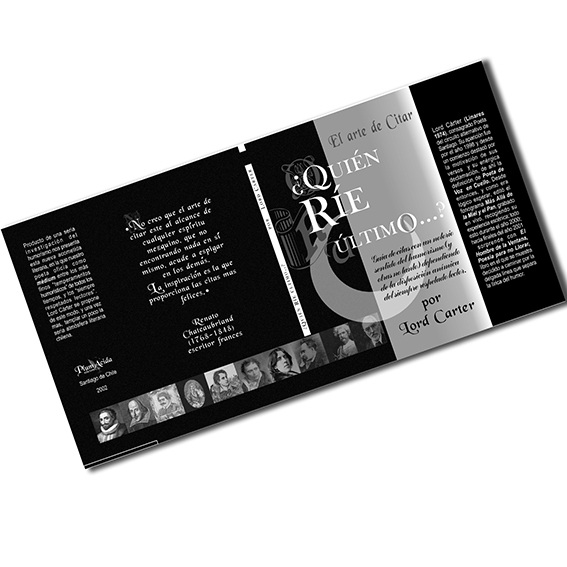
Finalization:
Once the design is approved, finalize the artwork for print production. Double-check dimensions, resolution, color mode (CMYK for print), and other specifications required by the printer.
Print Production:
Prepare the finalized design files according to the printer’s requirements and specifications. This may include converting the file to the appropriate file format (e.g., PDF) and ensuring that all fonts and images are properly embedded.
Proofing:
Before mass printing, request a proof copy from the printer to check for any errors or issues. Review the proof carefully for color accuracy, image quality, and overall appearance.
Printing and Finishing:
Once the proof is approved, proceed with printing the book covers. Depending on the printer and production method, this may involve offset printing, digital printing, or other techniques. Consider additional finishing options such as laminating, embossing, or foil stamping to enhance the cover’s appearance and durability.
Quality Control:
Monitor the printing process to ensure that the final printed covers meet quality standards. Inspect the printed covers for any defects or inconsistencies and address any issues with the printer if necessary.